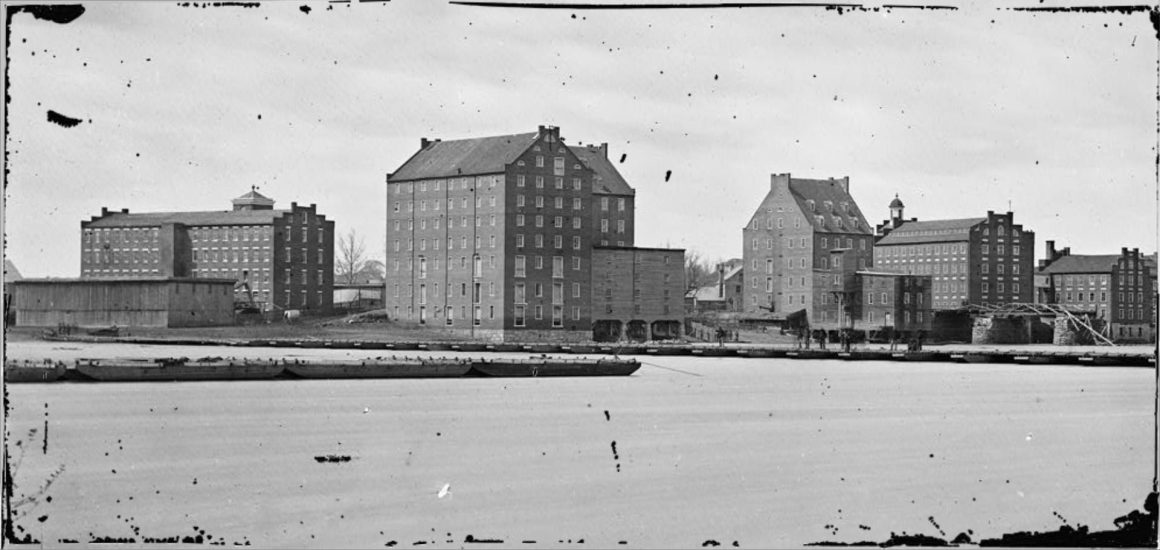
About
Manchester Alliance
I recently had the fortune of joining the neighborhood association Manchester Alliance and attending the first meeting, at Cafe Zata in May. This blog will serve to record my impressions of future meetings, as well as goings-on around the modern Manchester neighborhood. Posts will follow shortly after each meeting, covering and reflecting on the agenda. It is my hope that my skillset as a historian will be of use to the Alliance, and to the greater Richmond area. The next meeting of the Manchester Alliance is scheduled for Thursday, June 12th at 6pm at Studio Two Three.
For more information, go to manchesteralliance1.wixsite.com.
To follow my adventures as I build my career as a public historian, follow me on Substack at @adventuresinpublichistory. There I write about a variety of issues and topics of interest as I encounter or think of them. Feel free to subscribe and/or drop your own Substack link in the comments.
Happy belated birthday NARA! NARA Turns 40

On April 1, 2025, the National Archives and Records Administration (NARA) turns 40. Visit the National Archives History Office website for more …
NARA Turns 40
Seventh Tour Stop- Maury & Mt. Olivet Cemetery
We have now reached the final stop on the tour, the Maury and Mt. Olivet Cemeteries. I would like to point out that there are a number of smaller cemeteries throughout the southside Richmond area, some of which include the graves of former residents of Manchester. These include the Weisiger-Carroll House in the Spring Hill neighborhood. During the Civil War, the house served as a hospital for wounded Confederate soldiers from South Carolina. While it is unknown how many soldiers were treated in this private home, over one hundred soldiers who died there are believed to be buried in an adjacent cemetery. Most previously existing family cemeteries were removed by the 1880s to allow for street grading and other infrastructure projects.
In 1872, the trustees of Manchester purchased land outside the limits of the town for a public cemetery. Prior to this, burials had been on private land within the town’s borders. As a result, several family plots and other cemeteries were located and emptied. Two years later, the city trustees created Maury Cemetery from three acres of the recently purchased ‘Buck Hill’ estate, named after Matthew Fontaine Maury, the famed oceanographer and former Confederate Naval officer, known as the ‘Pathfinder of the Seas.’ Remains formerly interred within the city limits were then moved to the new location.
Maury Cemetery was originally segregated. When Richmond annexed Manchester, the former city assumed administrative control of the cemetery, the only one south of the James. Two local members of the Manchester Love and Union club, a mutual aid society for African American residents of the area, petitioned the city to change the name of the colored section of the city to Mt. Olivet Cemetery. Richmond granted their request.
The Mt. Olivet section takes its name from an olive grove near the ancient city of Jerusalem that is believed to be where Jesus ascended into Heaven. The name was chosen to better reflect the south side community’s values. Notable burials include a free African American man born before the Civil War named Ballard T. Edwards. In 1865 Edwards paid to open a school for former slaves to teach them the trade of bricklaying. Later, Edwards represented Chesterfield County in the Virginia House of Delegates from 1869 to 1871, and was present at the fatal collapse of the balcony of the House of Delegates in 1870. He also served as a Justice of the Peace for Manchester and overseer of the poor for Chesterfield County. He attended the First Baptist Church of Manchester, now the First Baptist Church of South Richmond, and died in 1881.
Other notable burials include numerous Confederate soldiers, such as William Izard Clopton, captain of the Richmond Fayetteville Artillery, and many officers and enlisted soldiers of the Sixth Virginia Infantry ‘Manchester Grays.’ The author, poet, and educator David Lloyd Pulliam is interred here, as well.
There are several legends relating to the burials elsewhere in Manchester. According to one story, during the American Revolution, Baron von Steuben ordered that several American soldiers be buried near what is now the intersection of Semmes Avenue and Seventh Street. No reason is known to have been given for any burials at this location, but if any were made, it is presumed that they were moved and re-interred in Maury Cemetery when it was created. The first two burials here were a white man named John Anderson and an African American man named Monroe Davis, both of whom died before the cemetery was created. Shortly after opening, Maury Cemetery included 69 white and 29 black graves. In the twentieth century, the United Daughters of the Confederacy built a monument and flagpole dedicated to the Confederate soldiers buried in the cemetery. After World War I, a large memorial was built to honor those residents who fought and died in that conflict, many of whom had been residents of the city before consolidation. A similar monument later honored ‘sons of South Richmond’ who gave their lives in World War II. The American Legion currently maintains both memorials.
This concludes our tour of nineteenth century Manchester, Richmond’s ‘Little Sister’ across the James. Thank you for coming.
Coming Soon- Manchester Tour
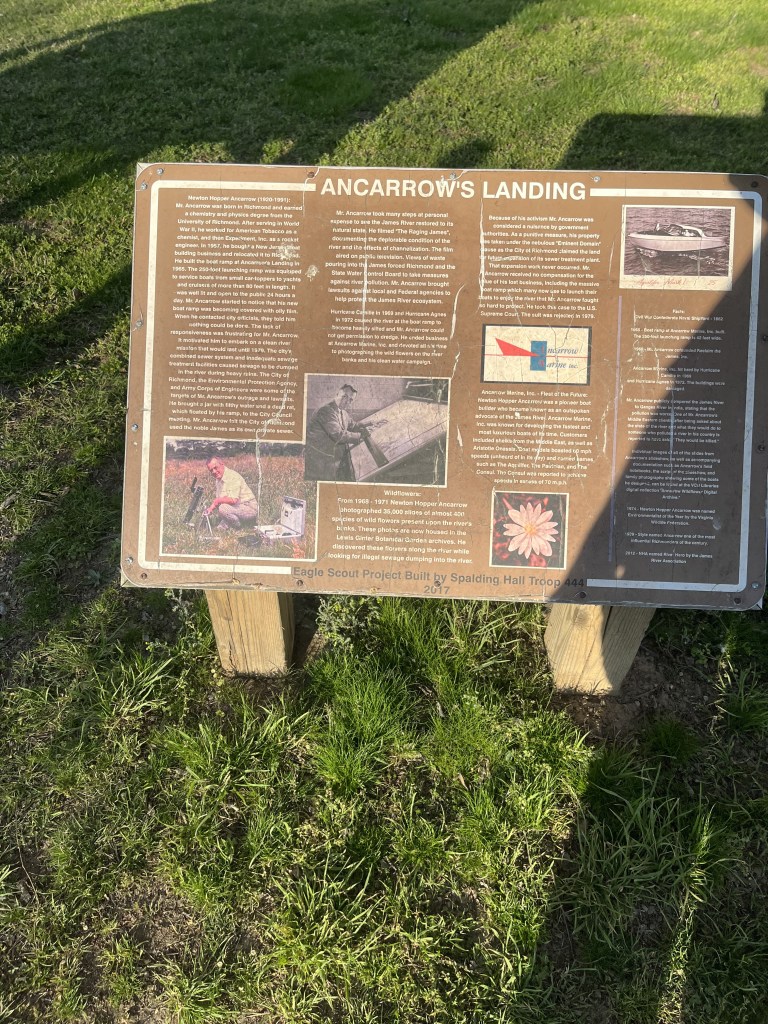
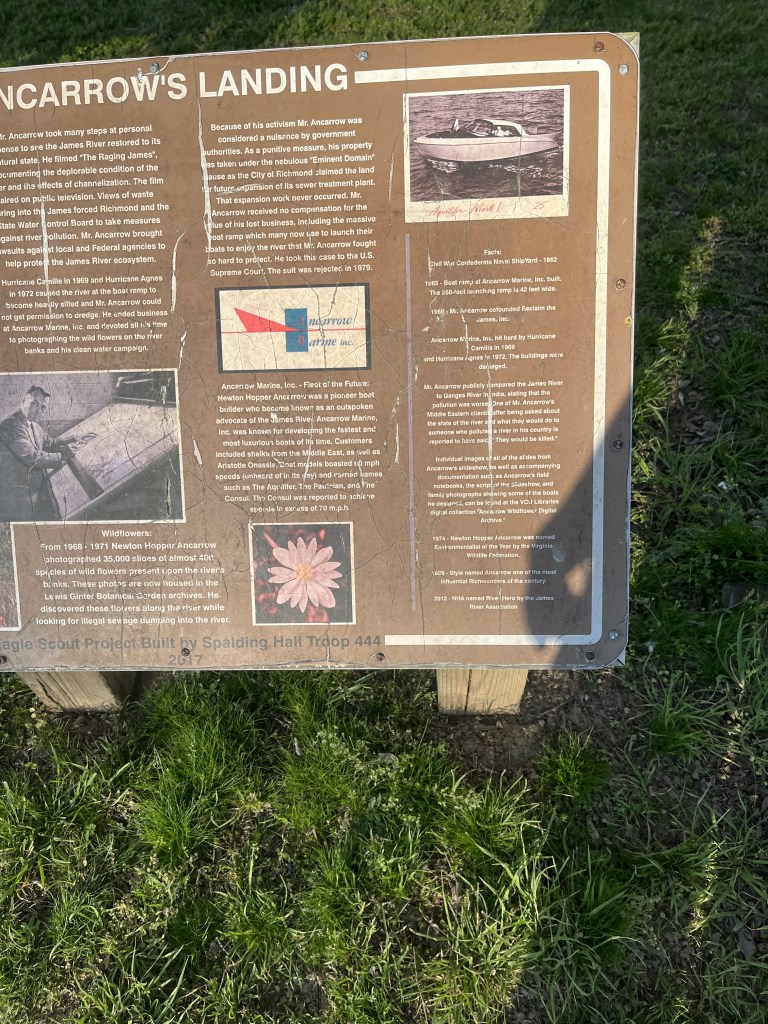
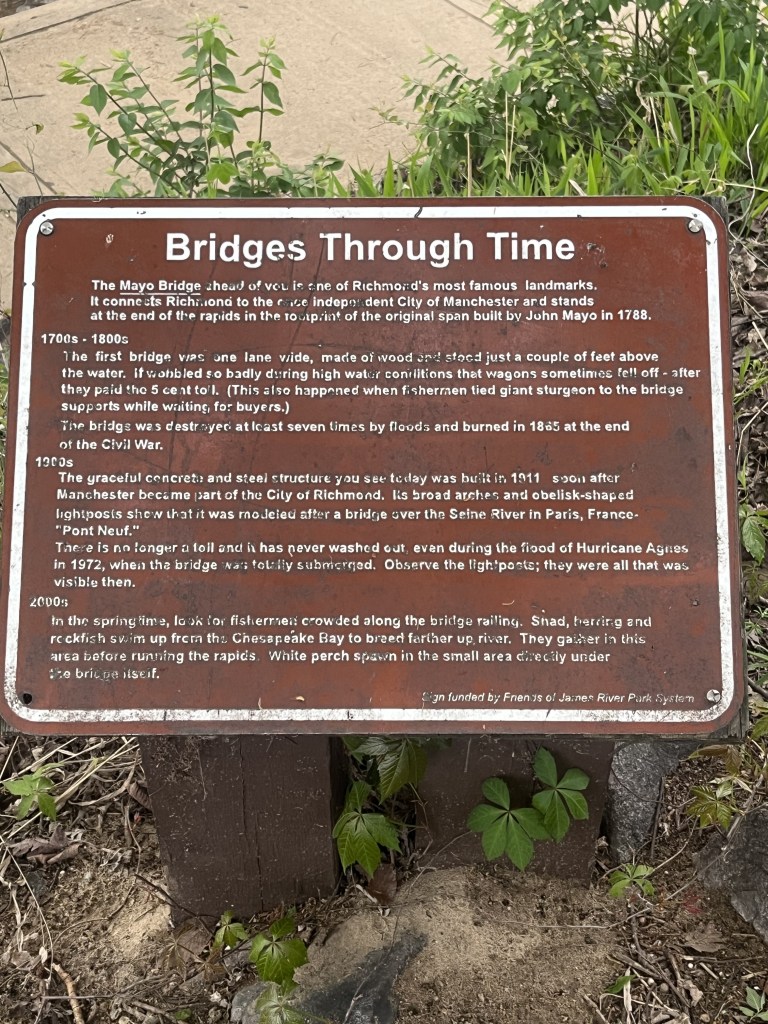
R. Elliott Martin is proud to announce that a driving tour of sites associated with the nineteenth-century city of Manchester is currently under development! Stops include the Manchester Courthouse, Mayo’s Bridge, Ancarrow’s Landing (Site of the Manchester Docks), First African Church of Manchester, and the Maury and Mt. Olivet Cemetery.
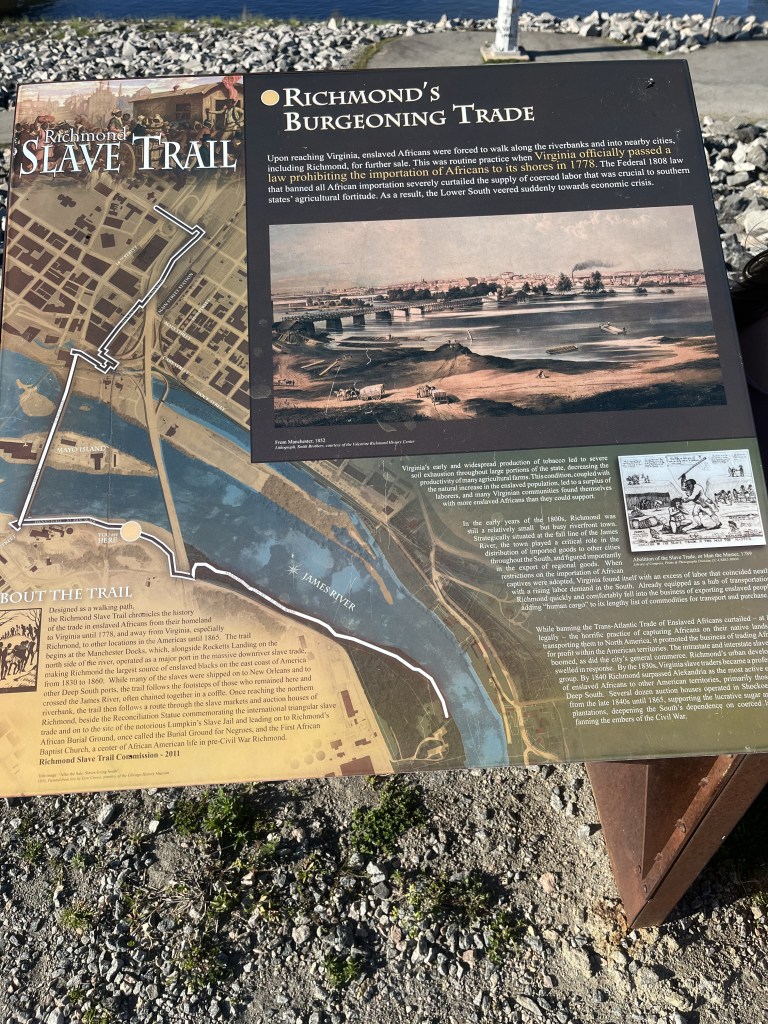
Manchester’s industrial past will come alive as you explore over one hundred and forty years of the city’s history, from its founding in 1769 as part of the Byrd Estate, to its annexation in 1910 by the City of Richmond. Founding Fathers, Civil War soldiers, the Midlothian coal mines, the Richmond Slave Trail, and local citizens both prominent and obscure are all included on the tour. RVA’s ‘Sister City’ made substantial contributions to the history of central Virginia and the United States.
Currently the site of numerous breweries, restaurants, cafes, apartments and mixed use office buildings, Manchester has developed into one of Richmond’s most promising neighborhoods. This tour will help demonstrate all that it has to offer while focusing on the history of an area long known as ‘Richmond’s Little Sister.’
The tour is five miles long, and each stop will include audio, pictorial images, and written content for your exploration. It is recommended to spend approximately ten minutes at each location. To accommodate driving time, please allow two hours for the tour’s completion.
This site is under construction! Please check back in regularly for more updates. There will be a lot to come over the summer of 2025.
Sources
Weisiger, Benjamin B. III. Old Manchester & Its Environs, 1769-1910 (William Byrd Press, Richmond, Virginia, Fine Books Division, 1993).
Thrower Stowe, Kristin. A History Lover’s Guide to Richmond (The History Press, Charleston, South Carolina, 2021).
The Virginia Museum of History and Culture
The Valentine Museum
Library of Virginia: Virginia Chronicle; Virginia Untold
newspapers.com
fold3.com
ancestry.com
My Own Photos
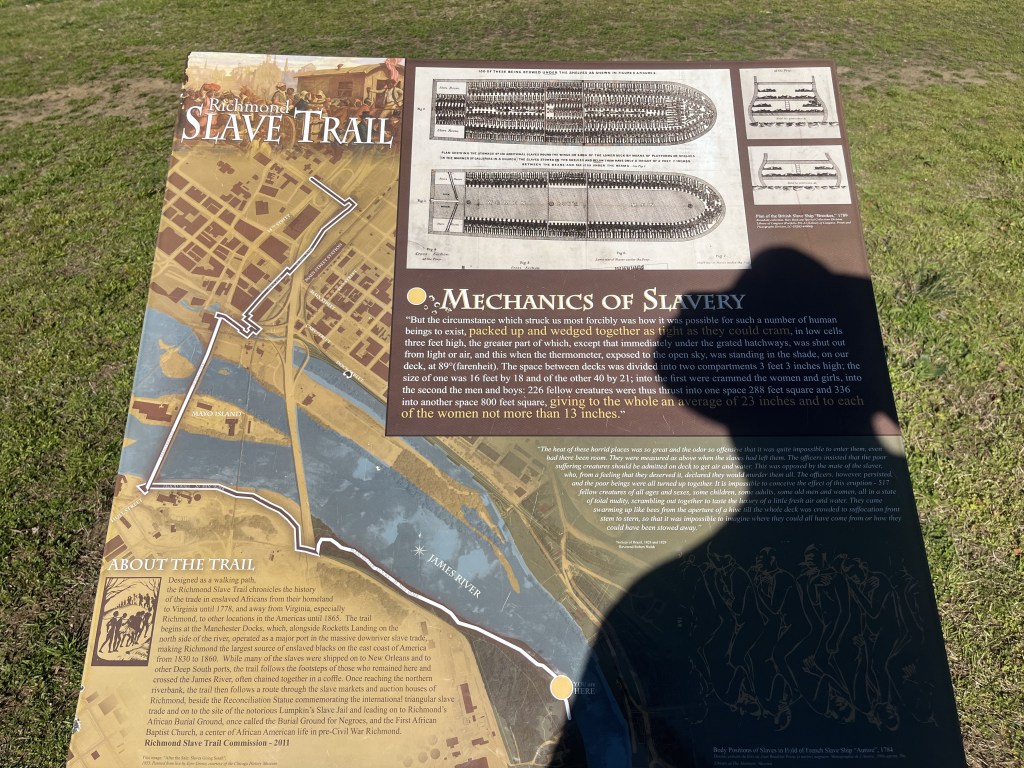
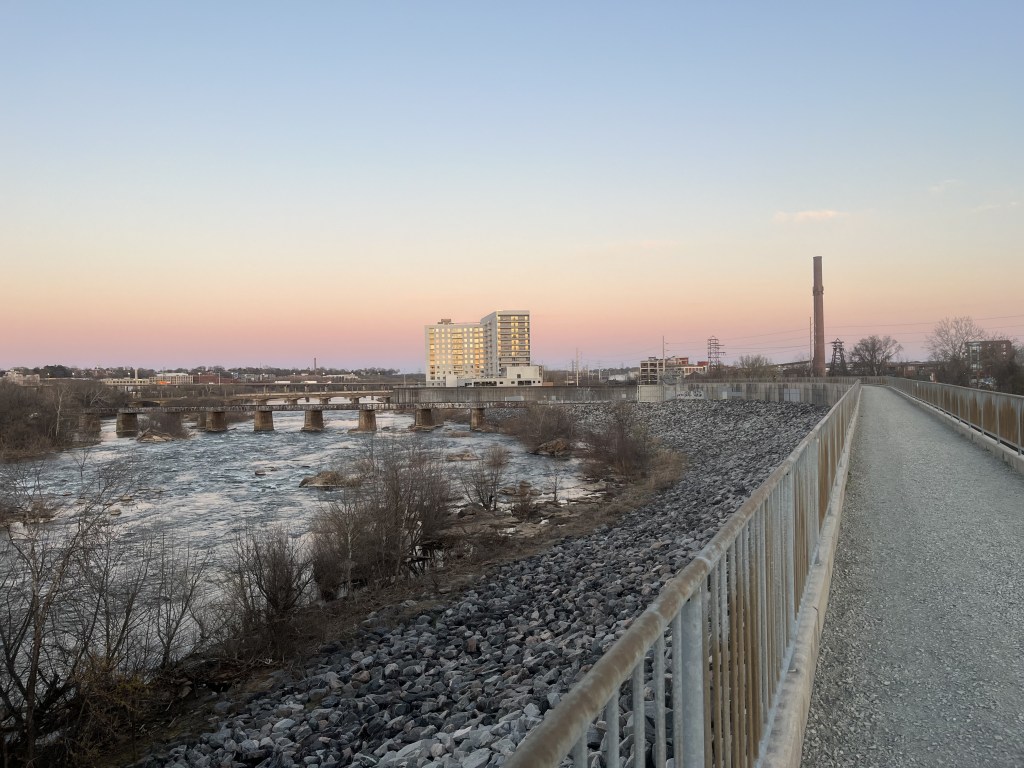

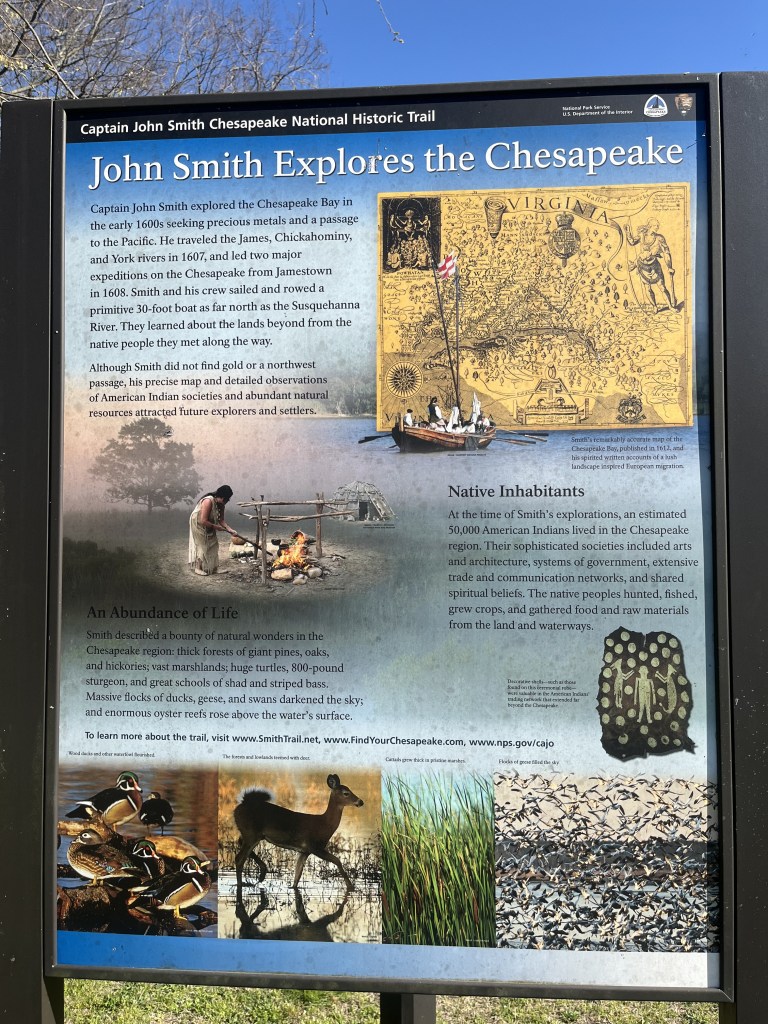
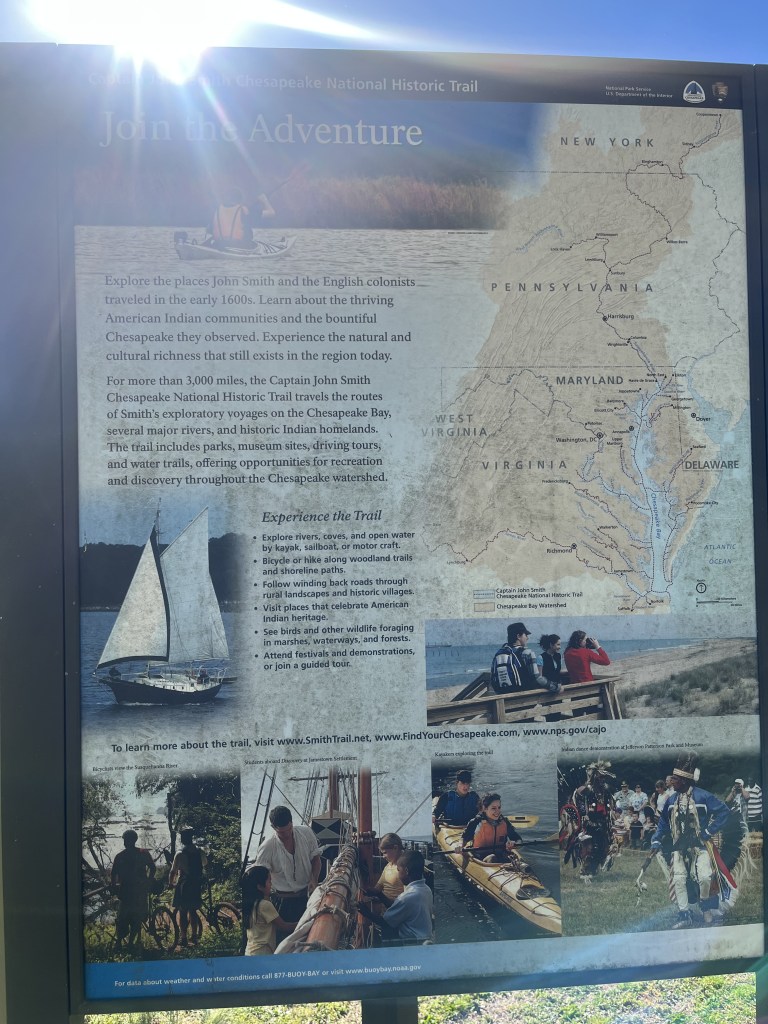
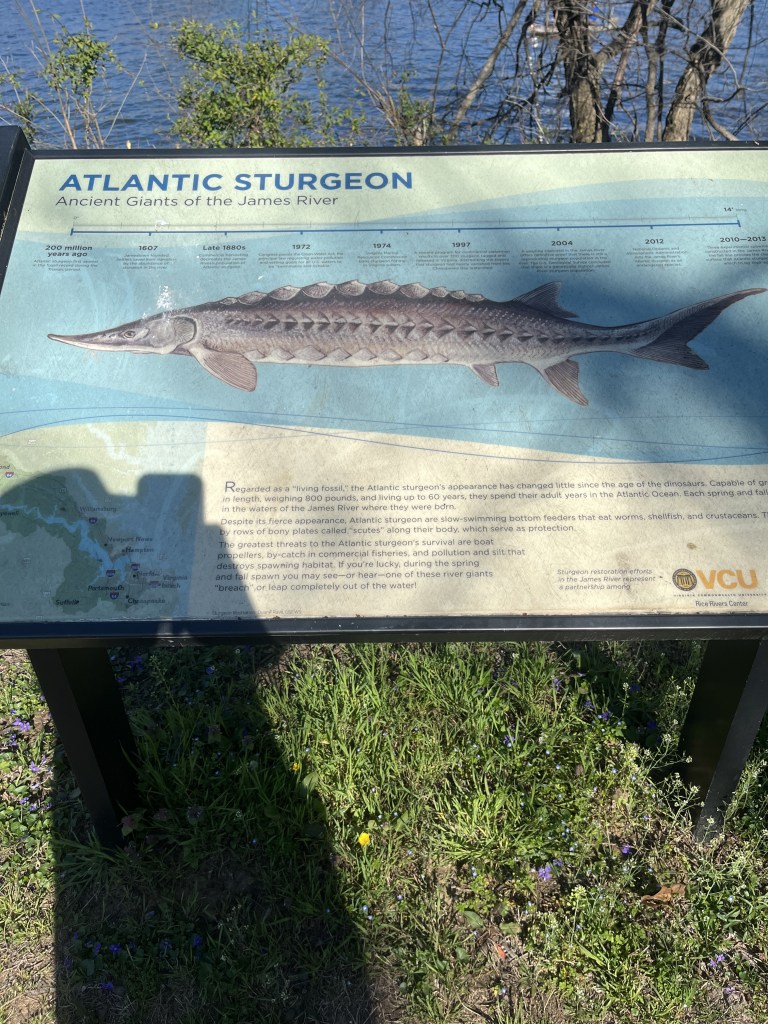
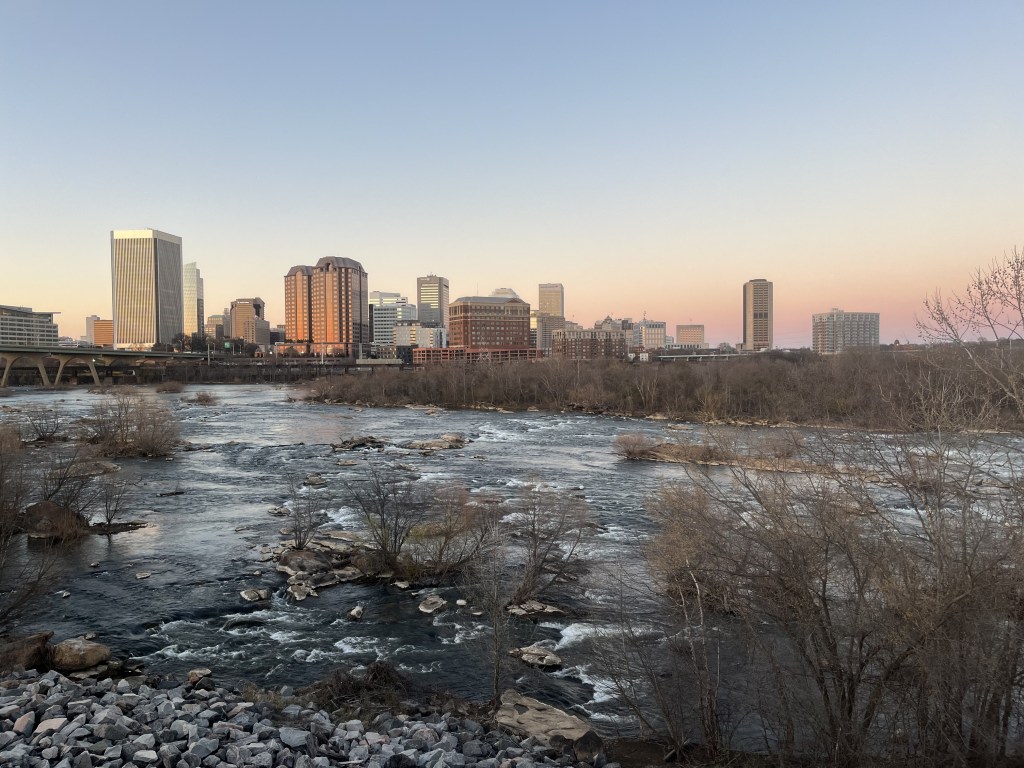
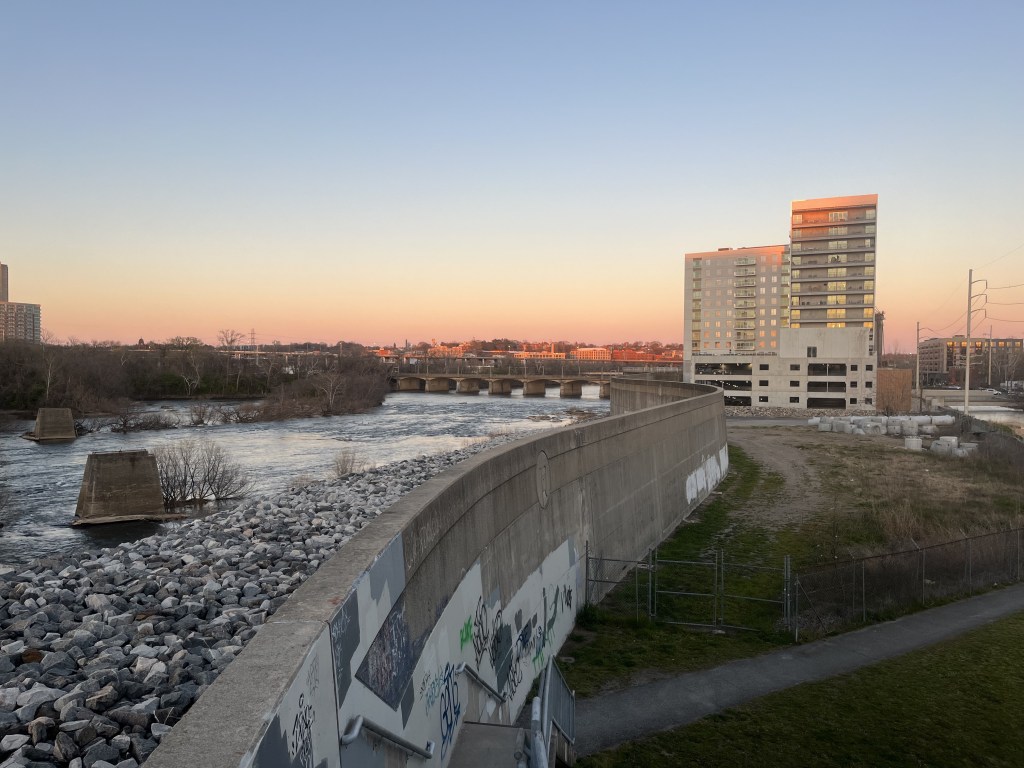
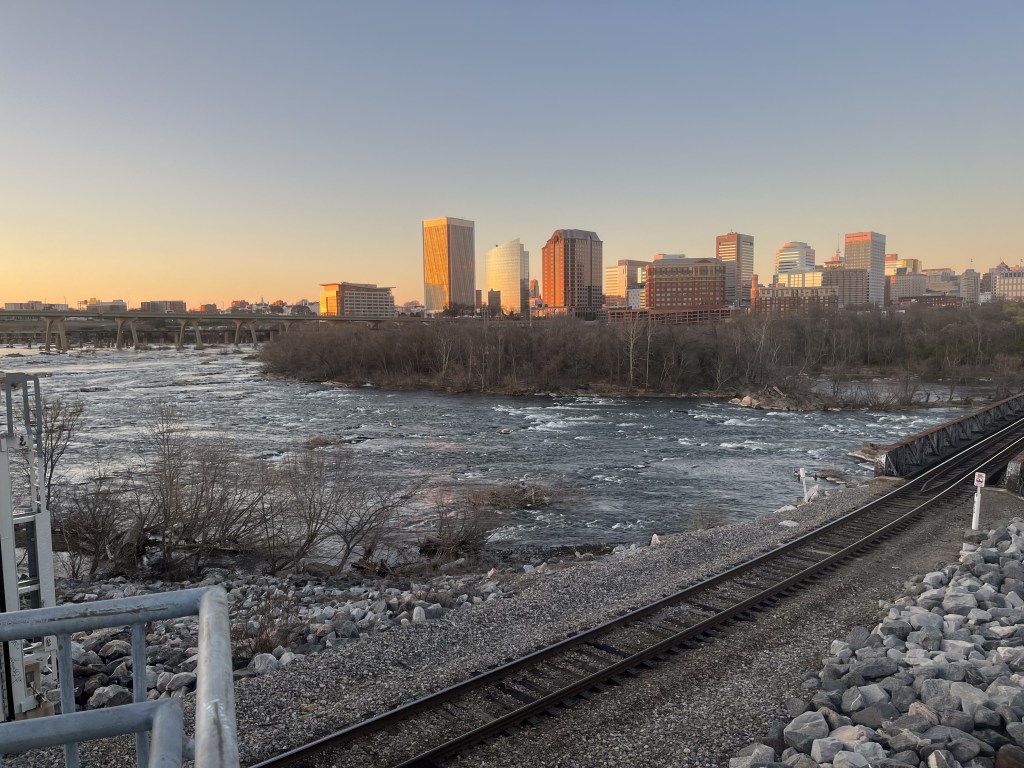
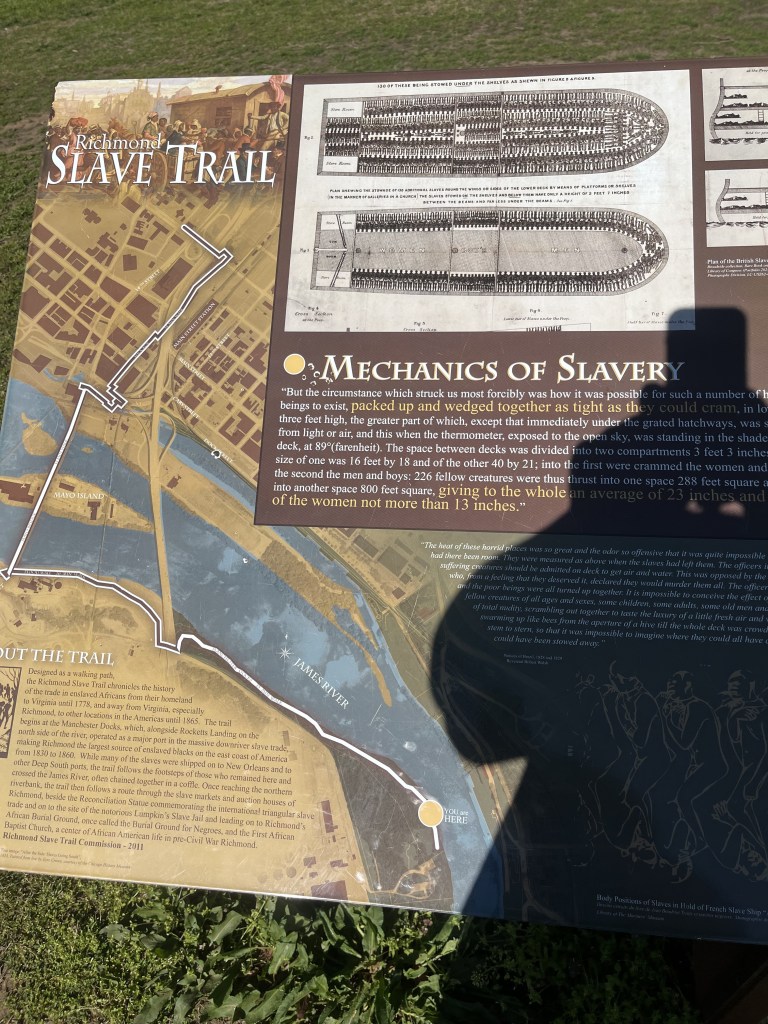


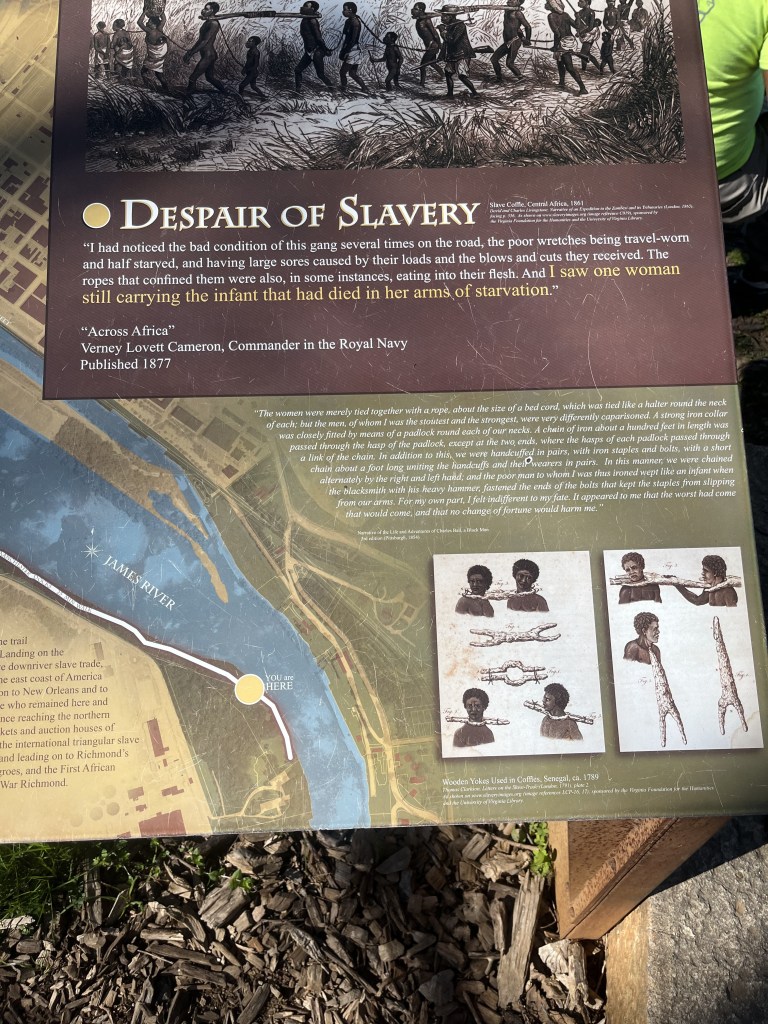
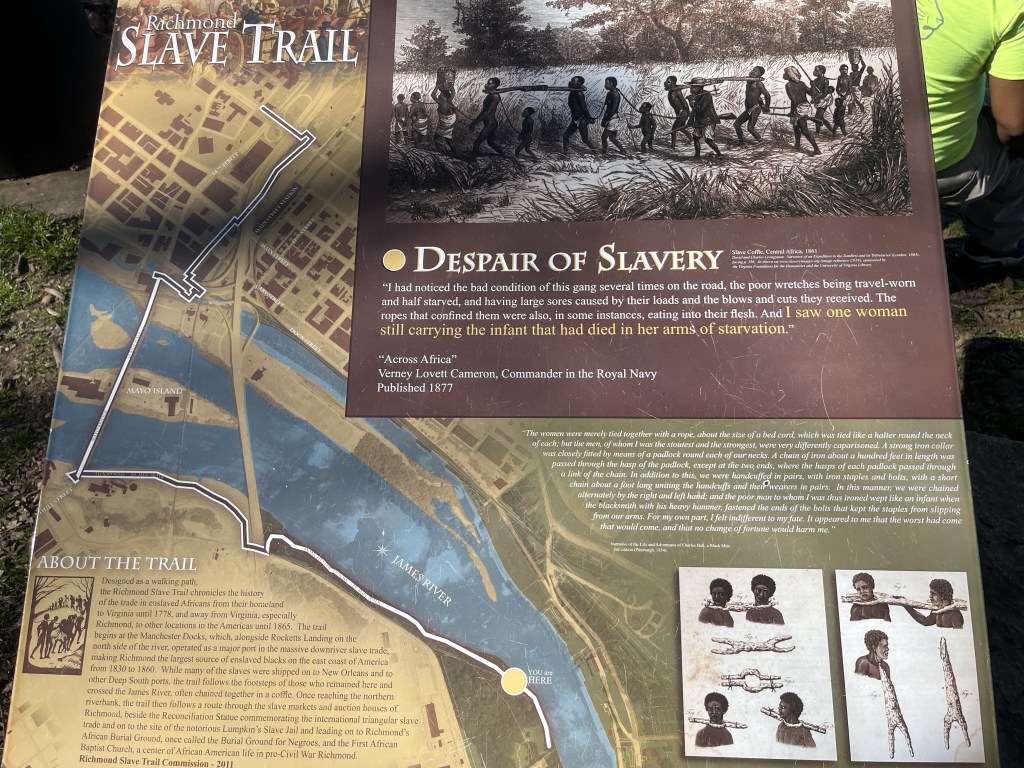
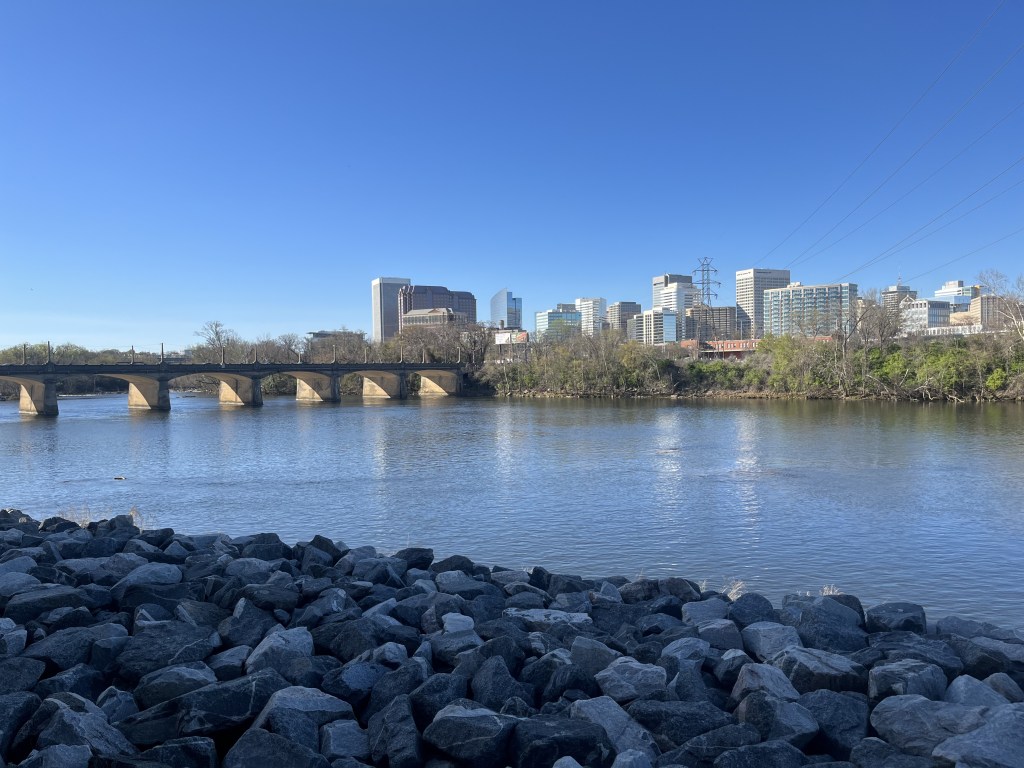
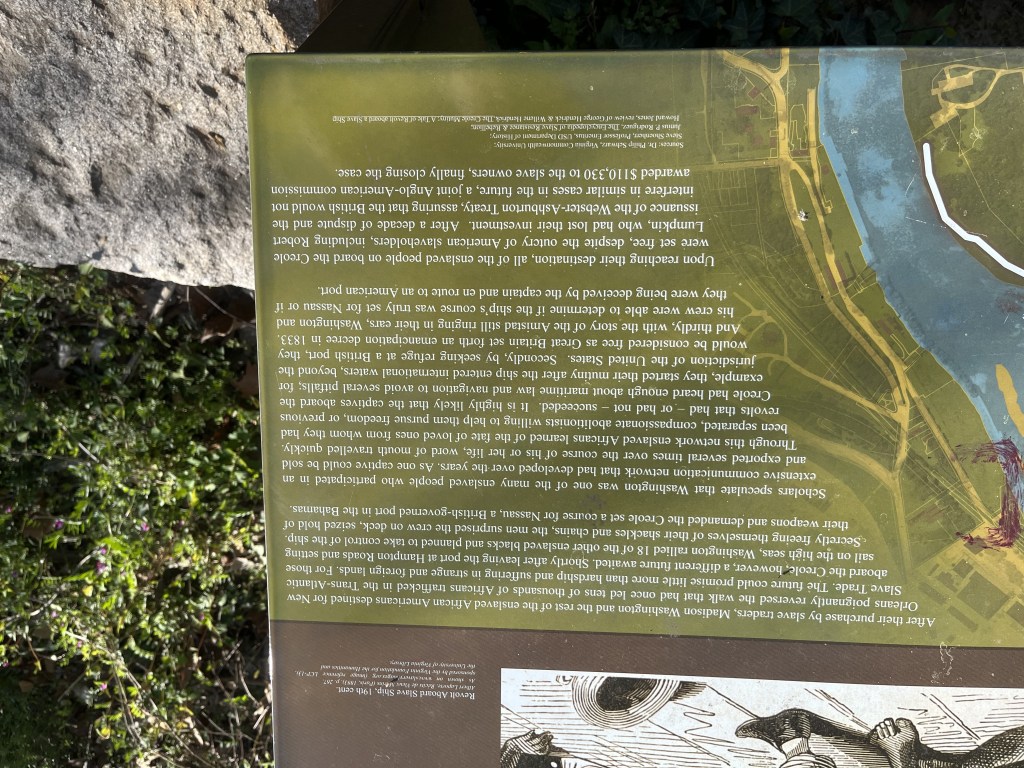
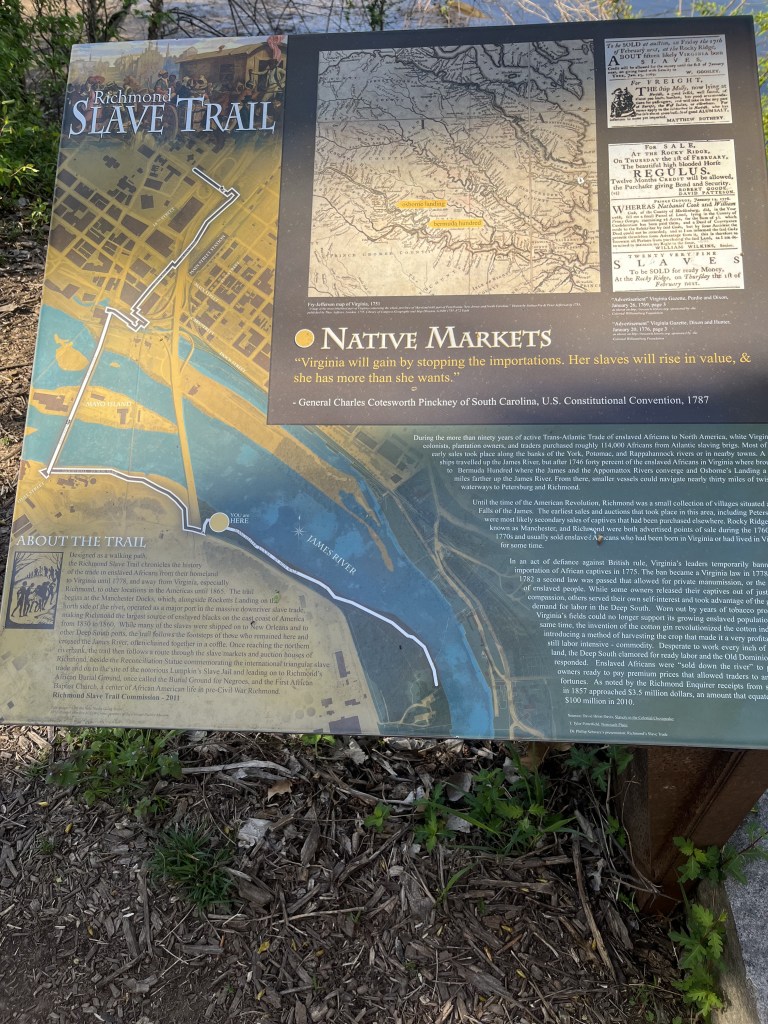



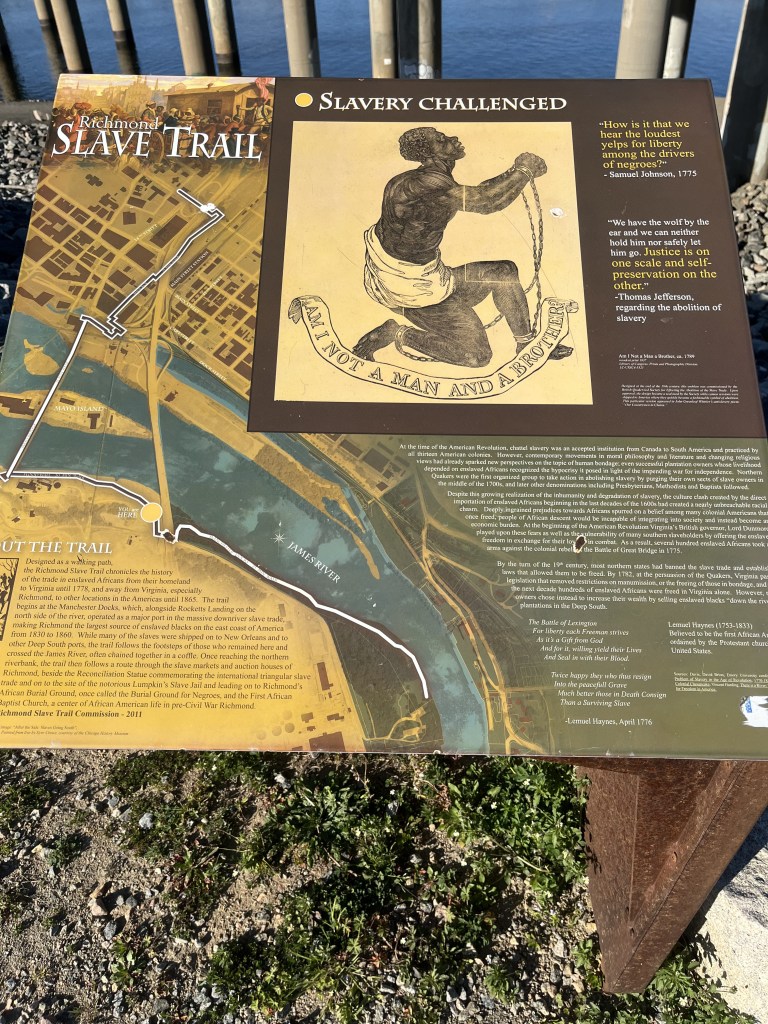
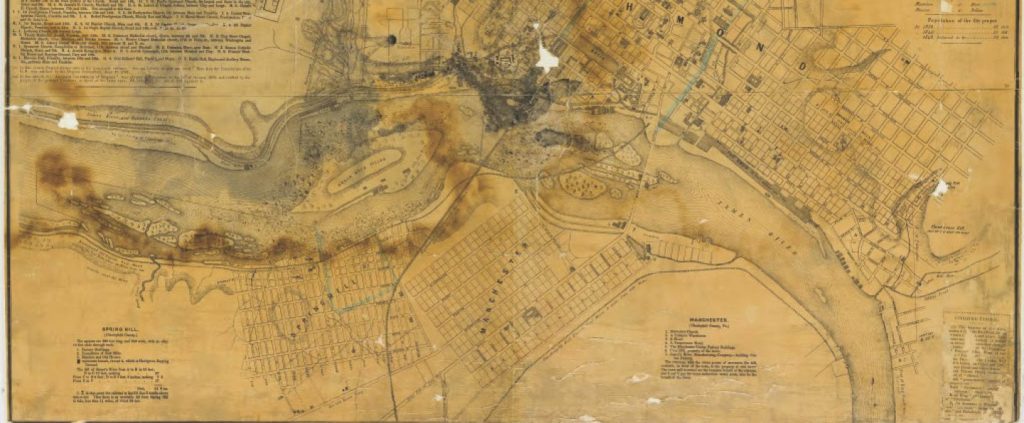
Maps

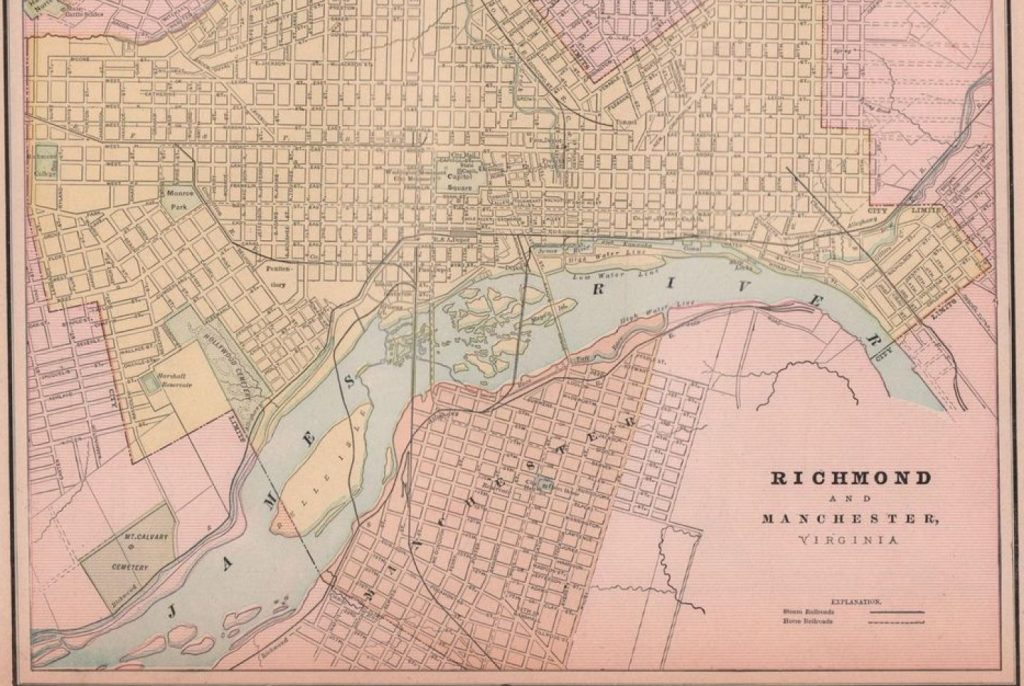
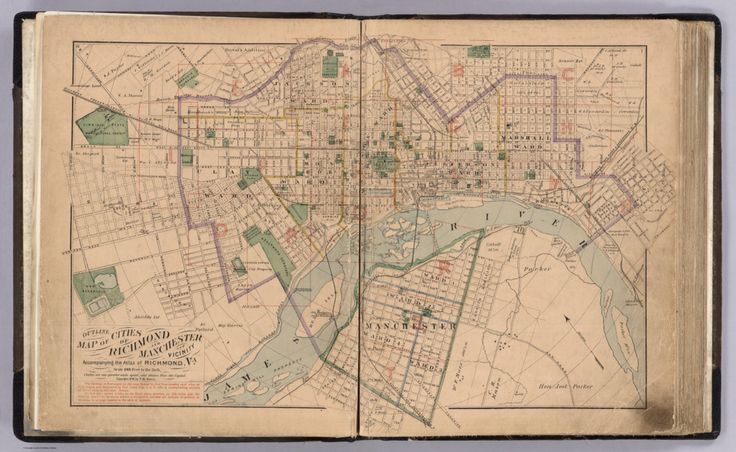
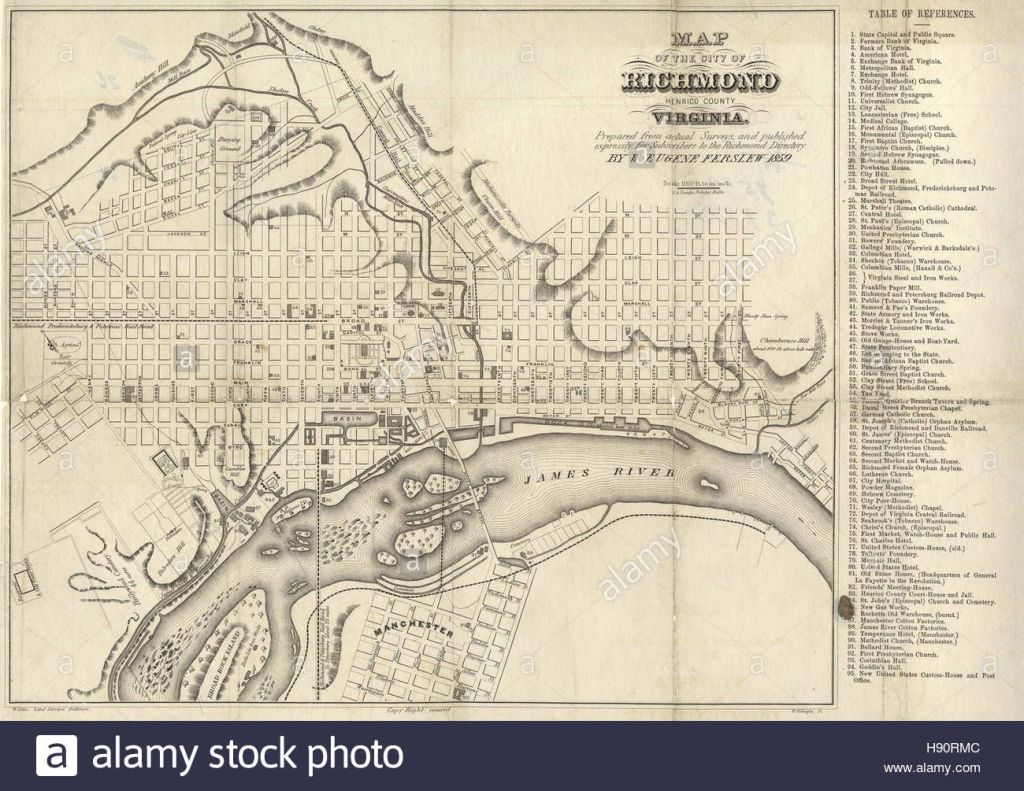

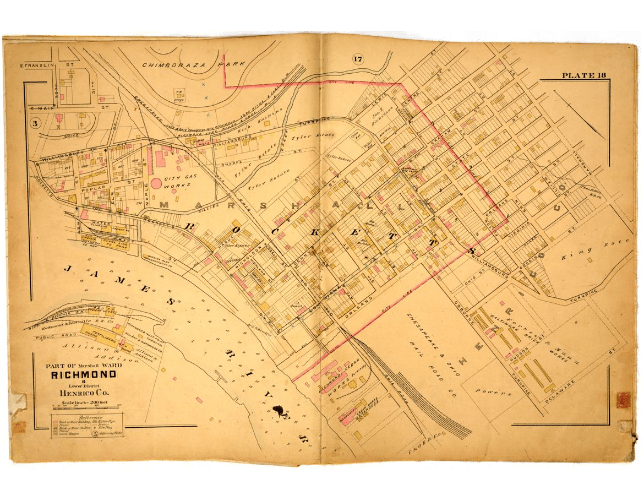


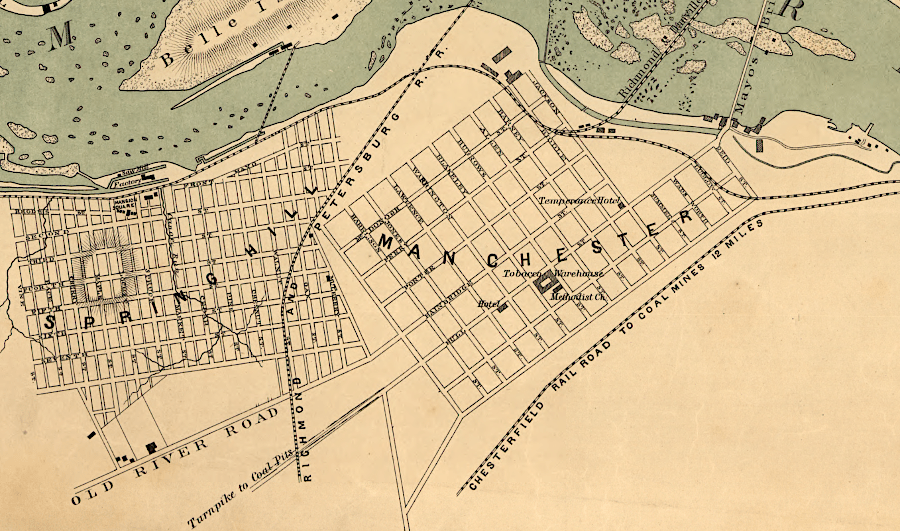
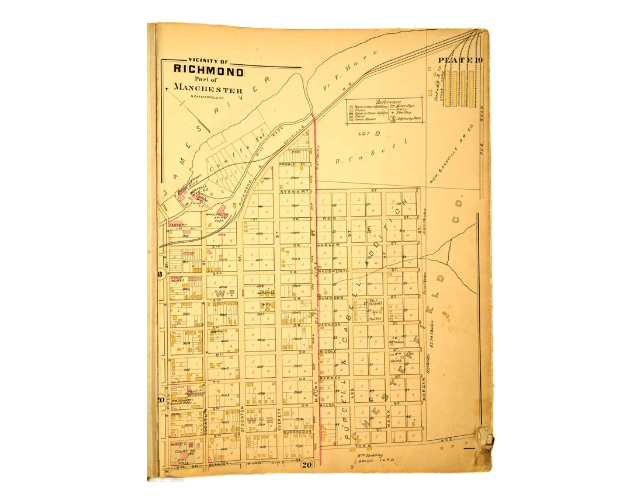
Introduction
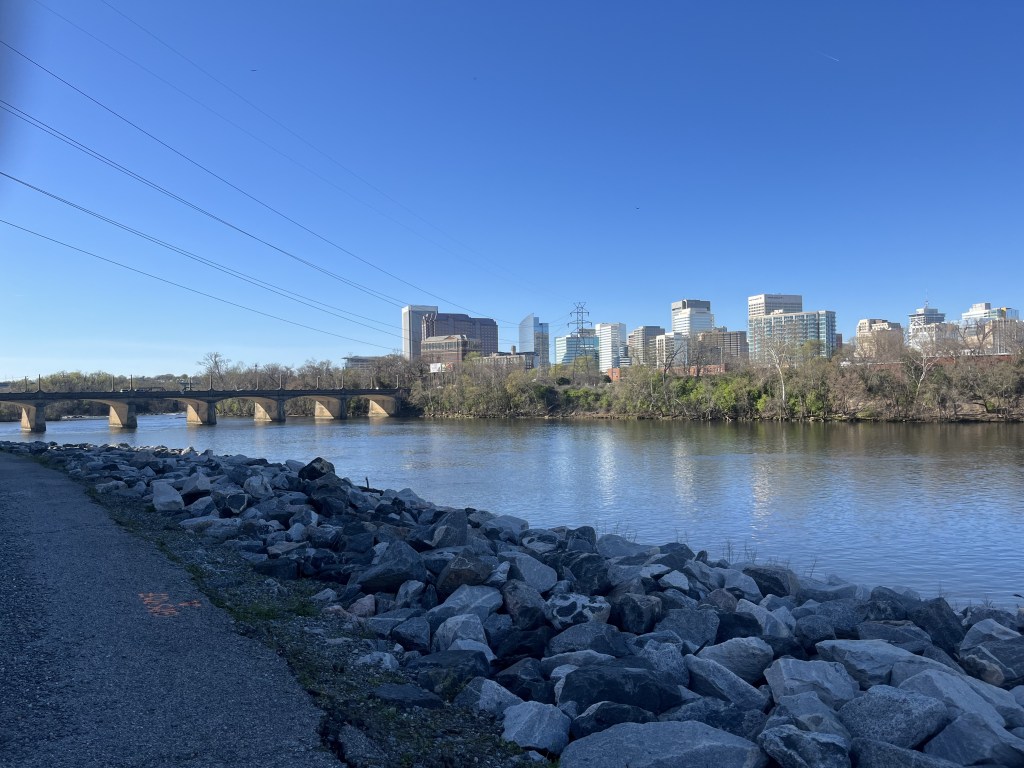
South of the James, between the Mayo Bridge and the Robert E. Lee Bridge in downtown Richmond, Virginia, the neighborhood of Manchester is a thriving, industrial, working-class area. The site of restaurants, breweries, and numerous apartment complexes, Manchester’s urban character and its history, are reflected in many of its inlying buildings, structures, recreational trails, and other areas. This tour, with assistance from local museums and websites, will help history continue to emerge. Long known to many Richmonders as “Southside,” Manchester was once a town in Chesterfield County and later an independent city. Today, it s a place where the past is learning to exist in harmony with the future.
This blog and tour exist to bring that past world back to life. It will cover the Civil War and Reconstruction-era history of the formerly independent city of Manchester, Virginia. No other websites or blogs have been solely devoted to this important time and municipality, despite its proximity to the Confederate Capital and vital contributions to the war effort. The website civilwarrichmond.com and The Valentine’s 2017 exhibit Manchester: From Sister City to South Richmond have greatly influenced Dogtown Manchester, as has the 1993 book Old Manchester and its Environs, 1769-1910, by Benjamin B. Weisiger III. My intention is to reintroduce the world to the class divide inherent in nineteenth-century Manchester and, in doing so, help guests to better understand how far the neighborhood has come in recent years, and where it should go from here.
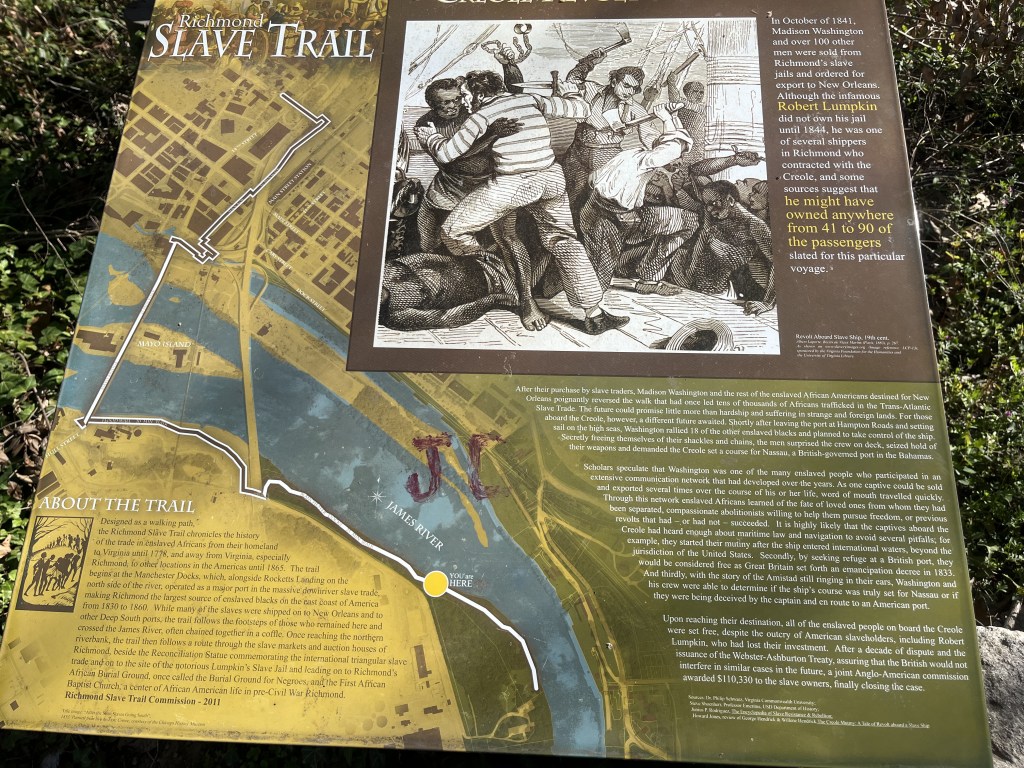
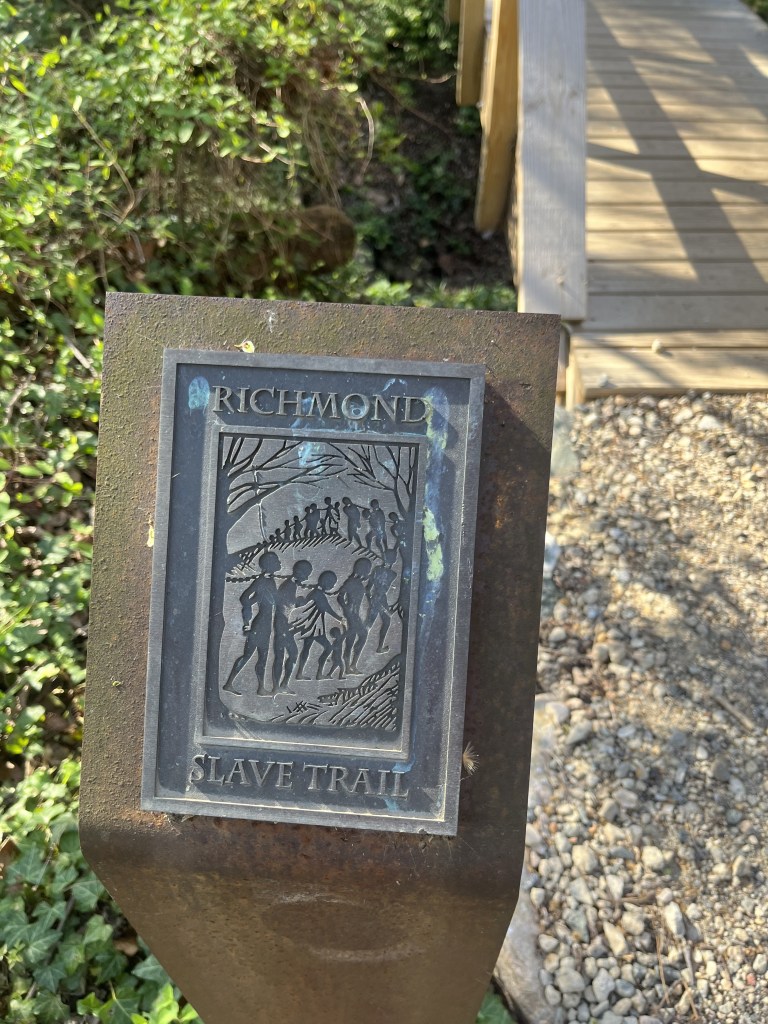
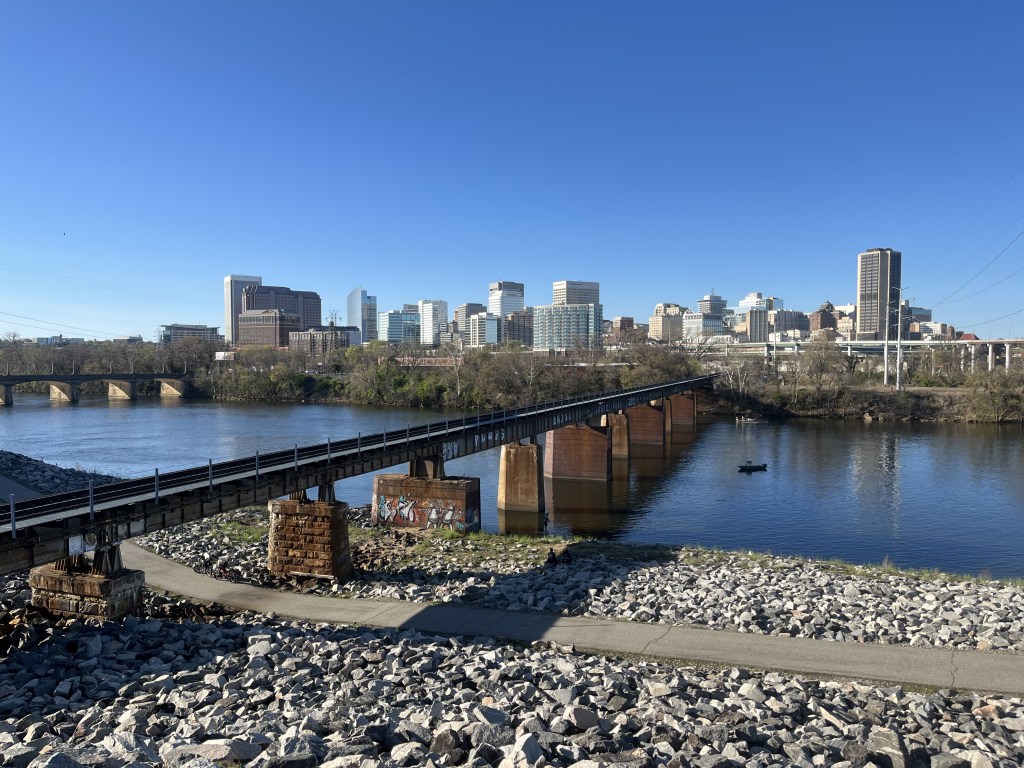
Stops on the tour include Mayo’s bridge; the Manchester Docks, site of Confederate Navy Yard and currently the Richmond Slave Trail; the Manchester Courthouse, the Maury and Mt. Olivet Cemetery, and the neighborhood of ‘Old Manchester,’ former site of the First Baptist Church of South Richmond, as well as that of the Manchester Masonic Lodge No. 14.
A city is a living, breathing thing, and covering each item, subject, person, photograph, structure, and so forth allows for a deeper understanding of each subject at every stop. This tour and blog will strive to present the best of both approaches. The history of Manchester, “southside” Richmond, and Chesterfield County is rich and this will be an ongoing project. At this writing, I intend to present one new post per week discussing and analyzing the parts of the area’s story which are not as well known in the twenty-first century.
The Library of Virginia, the Valentine Museum, the Virginia Museum of History and Culture, James Branch Cabell Library at Virginia Commonwealth University, and the Richmond Railroad Museum have already proven invaluable resources for this project and will continue to, I’m sure. The project will rely and has already relied on maps, letters, newspapers, photographs, directories, diaries, and other online records. I want to thank them all, especially Dr. Daniel Morales, Ph.D my faculty mentor, and John Glover at the VCU Library, for providing research assistance and resources. I am enjoying the journey already, and am grateful for their wisdom!
Let’s Get Started!
Elliott Martin
Richmond, Virginia
April 2025.
 ManchesterRVA