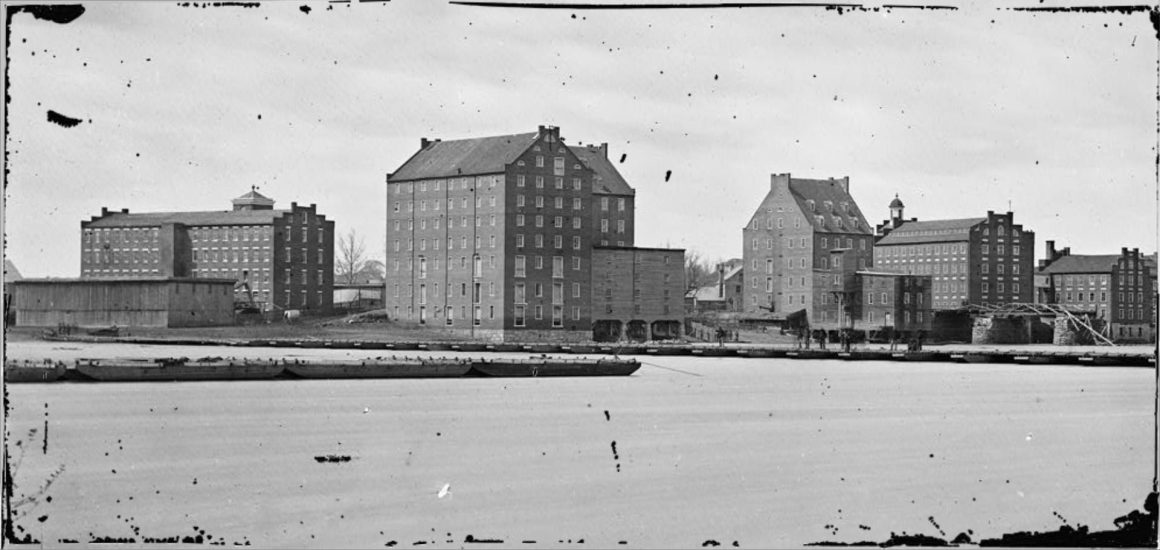
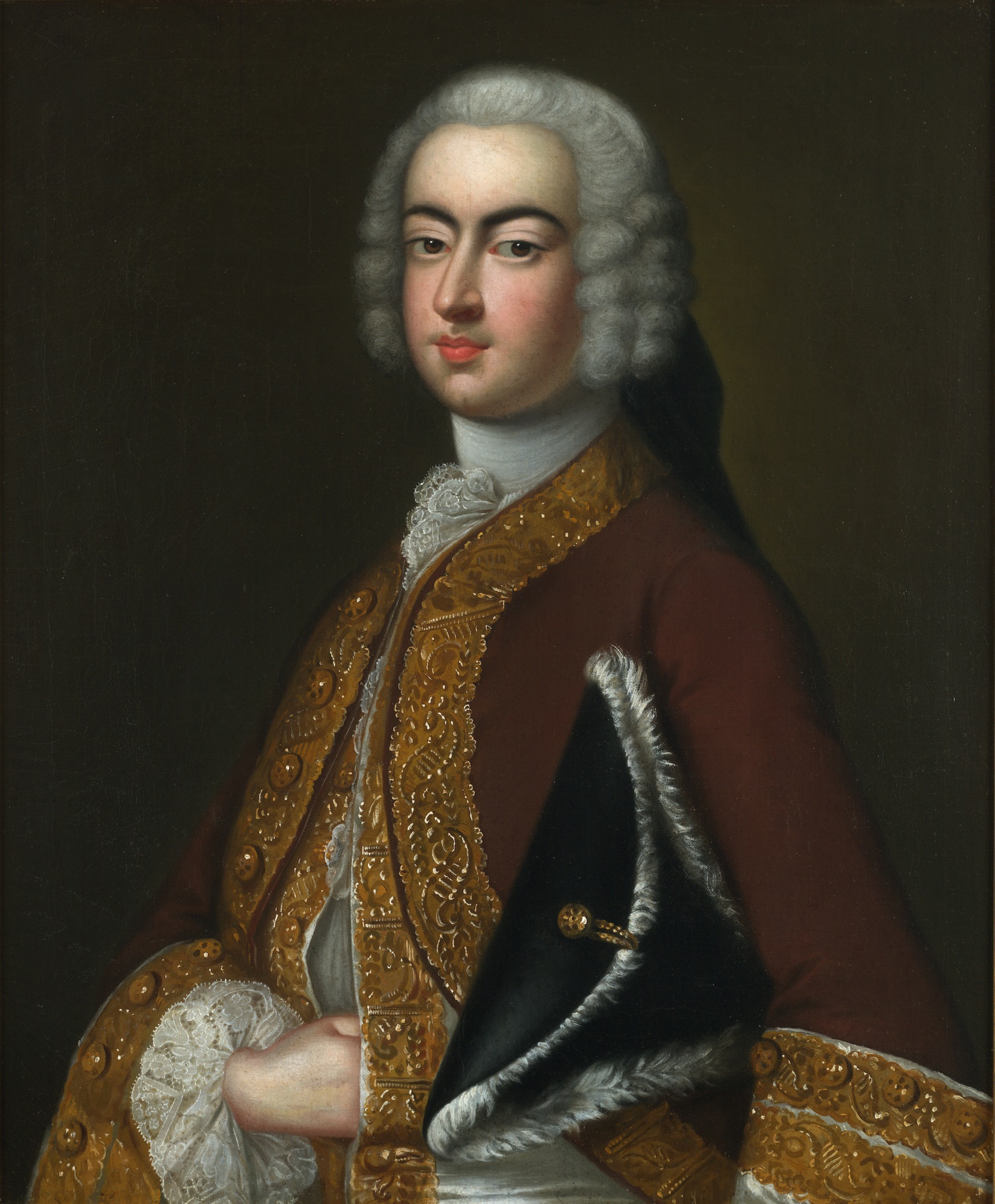
By 1769, much of the area south of the James River was owned by William Byrd III, son of William Byrd II, the colonial founder of Richmond and Petersburg. The Byrd family was among the wealthiest and most powerful in early Virginia. When the elder Byrd died in 1744, his estate passed to his only son, William Byrd III, who by the 1760s was heavily burdened by gambling debts, a lavish lifestyle, and alcoholism and had nearly exhausted his family’s fortune. However, the Byrd family still owned thousands of acres of land and several plantations, including Belvidere in present-day Richmond, and Westover Plantation in Charles City County. In November 1769, Byrd allowed the Virginia legislature to create the town of Manchester on land south of the falls of the James at the site formerly known as Rocky Ridge. To pay his debts, Byrd organized a lottery system offering 312 lots for sale within the town of Manchester for development into houses and other structures.
Byrd raised about 15,000 pounds to pay his debts, however, this was not enough and the rest of the estate was auctioned off after his death in 1777. Over one hundred subscribers purchased tickets for the lottery, and among them were Archibald Cary, founder of Ampthill Estate and namesake of Richmond’s Cary Street, and Paul Carrington, a judge in Charlotte, Cumberland, and Lunenberg Counties as well as elsewhere in southside Virginia.
Carrington served in the Virginia Legislature in Williamsburg from 1765 to 1775 when it was suspended by Lord Dunmore at the outset of the American Revolution. As such, he was a contemporary of Thomas Jefferson, who represented Albemarle County in the House of Burgesses before the war, and Patrick Henry, who practiced law in Williamsburg and argued before the bar on numerous occasions. Carrington’s account books show that he had business dealings with both Jefferson and Henry.
In addition to property here in Manchester, some of which he purchased in 1789, tax records show that Carrington owned about 32,000 acres of land and thirty slaves at his Plantation, Mulberry Hill, in Charlotte County by 1787. In 1788, he served as a delegate to the Virginia Ratifying Convention, which was held at Richmond Theater, now the site of Monumental Church. Other attendees included John Marshall and Patrick Henry. In 1806, Carrington’s son Paul Jr. was appointed the District Judge of Richmond, Petersburg, Brunswick Courthouse, and Suffolk. In the family’s account books, we see them spending large sums of money on travel expenses from their Mulberry Hill estate to Richmond and elsewhere. This explains why the family purchased and rented property here, but unfortunately no records survive that indicate which property they owned.
 ManchesterRVA